Reviewing Just Thought I d Let You Know I ve Been for Embroidery
As a designer who has spent countless hours digitizing and stitching out thousands of machine embroidery design files, I have learned that the difference between a good graphic and a great stitched product lies in the details. When I first opened the zip file for Just Thought I d Let You Know I ve Been, my immediate focus was not just on the aesthetic charm but on its technical viability for real-world application. This is a digital download, meaning there are no physical items shipped, so the burden of quality control falls entirely on the file integrity and the user’s preparation. The package includes vector assets like AI, SVG, and EPS files, which suggests this is primarily a graphics resource that may require digitization or careful adaptation for machine use, depending on your workflow.
First Impressions and Visual Mood
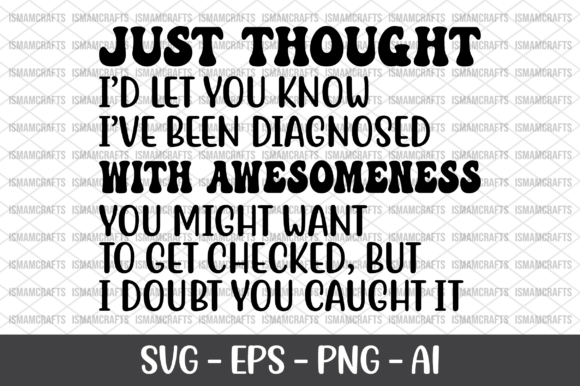
The phrase Just Thought I d Let You Know I ve Been carries a whimsical, slightly nostalgic tone. It feels personal, intimate, and warm. Visually, the layout likely relies on typography that balances readability with decorative flair. For an embroidery project, this means we are dealing with potential challenges in letter spacing and stroke width. If the design features thin lines or intricate serifs, these can become problematic when translated into thread. My initial assessment is that this design fits best in categories where sentimentality drives the purchase, such as personalized gifts, nursery decor, or boutique branding.
In the realm of Crafts and Graphics, this type of asset serves as a foundational element for creating unique merchandise. However, unlike a simple clipart image, an embroidery-ready design must account for the physical properties of thread and fabric. The mood is inviting, but the execution requires precision. I look for clean curves and adequate spacing between letters to prevent thread buildup, which can cause puckering or breakage during stitching.
Real-World Application: The Custom Tote Bag Scenario
To truly evaluate Just Thought I d Let You Know I ve Been, I imagined a specific client project: a custom embroidered tote bag for a local bookstore’s loyalty program. The goal was to create a handmade product that felt exclusive and thoughtful. Using this design on a heavy canvas tote allows for a larger hoop size, which gives the text room to breathe. In this scenario, the design acts as a central focal point.
I considered how the thread colors would interact with the natural beige of the canvas. A high-contrast color, such as deep navy or forest green, would ensure legibility. If the design includes small decorative elements, I would need to verify if they are rendered as satin stitch or running stitch. Satin stitches provide a glossy, premium finish but can snag on rough fabrics, while running stitches are more durable but less visually striking. For a tote bag that will see daily use, durability is key. If the original file is a vector graphic (SVG or EPS), I would need to digitize it carefully, ensuring that the stitch density is appropriate for canvas to avoid excessive stiffness.
Performance on Different Fabrics and Items
Beyond tote bags, this design could shine on sweatshirt embroidery or baby embroidery projects. On a fleece sweatshirt, the texture of the fabric can swallow small details. Therefore, if Just Thought I d Let You Know I ve Been has fine lines, it might need to be simplified or enlarged to maintain clarity. For baby items, softness is paramount. High stitch density can make a garment uncomfortable against sensitive skin. I would recommend using a lighter fill or limiting the design to outline stitching if possible.
When considering custom apparel like t-shirts, the stretch of the fabric is a critical factor. Knit fabrics require proper stabilization to prevent distortion. If the design is wide, it may pull the fabric out of shape during stitching. Testing on scrap fabric is non-negotiable here. I always advise checking how the design behaves on both light and dark backgrounds. A design that looks crisp on white cotton might disappear on black jersey if the thread contrast is not sufficient.
Technical Considerations for Stitching Clarity
Since the product description notes that you receive AI, SVG, and EPS files, it is crucial to understand that these are vector graphics, not necessarily native embroidery formats like PES or DST. This distinction is vital for Etsy sellers and craft business owners. You will likely need to use embroidery software to convert these graphics into stitch files. During this conversion process, pay close attention to:
- Stitch Density: Ensure the software does not create overly dense fills that cause needle breaks or fabric puckering.
- Underlay Stitches: Proper underlay is essential for stabilizing the fabric before the top stitches are applied, especially for textured materials.
- Small Details: Tiny serifs or dots in the typography may need to be removed or enlarged to prevent them from becoming loose threads after washing.
- Hoop Size: Confirm that the final stitched dimensions fit within your machine’s hoop capacity. If the design is large, you may need to split it or use a larger hoop.
For those creating embroidered patch designs, this text-based graphic could work well if bordered with a satin stitch edge. Patches allow for higher stitch density since they are often backed with stiff interfacing. This makes them ideal for caps or jackets where direct embroidery might be difficult due to curvature or thickness.
Commercial Use and Brand Consistency
For small shop product lines, consistency is key. If Just Thought I d Let You Know I ve Been aligns with your brand’s voice, it can enhance customer trust and engagement. However, always verify the licensing terms included in the digital download. While many designers allow commercial use for finished physical items, restrictions may apply to reselling the digital files themselves. As a digital embroidery file provider or user, respecting intellectual property is fundamental to maintaining professionalism in the industry.
When creating printable mockup previews for your online store, ensure that the digital representation accurately reflects the stitched reality. Overly polished mockups can lead to customer disappointment if the actual embroidery lacks the same crispness. Transparency about the handmade nature of the product helps manage expectations and builds loyalty.
Final Designer Notes
Before committing to a full production run, always stitch out a test sample. Check for thread tension issues, especially if using metallic or specialty threads. Evaluate the design on the specific fabric you intend to use, whether it is a sturdy denim for holiday embroidery gifts or a delicate linen for kitchen towels. Remember that the beauty of embroidery lies in its tactile quality. A well-executed version of Just Thought I d Let You Know I ve Been can transform a simple item into a cherished keepsake.
In summary, this design offers significant potential for commercial embroidery and personal projects alike, provided that the technical aspects of digitization and stitching are handled with care. By focusing on stitch clarity, fabric compatibility, and proper stabilization, you can ensure that the final product meets the high standards expected by today’s discerning customers. Whether you are an experienced embroidery project manager or a hobbyist looking to expand your skills, treating this graphic with professional diligence will yield the best results.